
Vitamin C in lemons is more powerful because of its other micronutrients, fibers, and vitamins that enhance vitamin C’s effectiveness. These additional nutrients work together to support immune function, improve absorption, and maximize the antioxidant benefits, making lemons a superior source compared to isolated supplements.
Lemons aren’t only for juice; they’re a fantastic addition to several meals and baked goods. Of course, their flavor is just one of their benefits. Lemons are extremely healthy, containing high levels of Vitamin C and other nutrients. In fact, these citrus fruits contain some of the highest levels of ascorbic acid compared to other foods.
Of course, lemons may not be good for everyone as they are rather acidic, so eating too many of them may have some unexpected results. Discuss any changes to your diet with your medical team to avoid any unhealthy side effects. For more information on lemons and their nutritious benefits, keep reading.
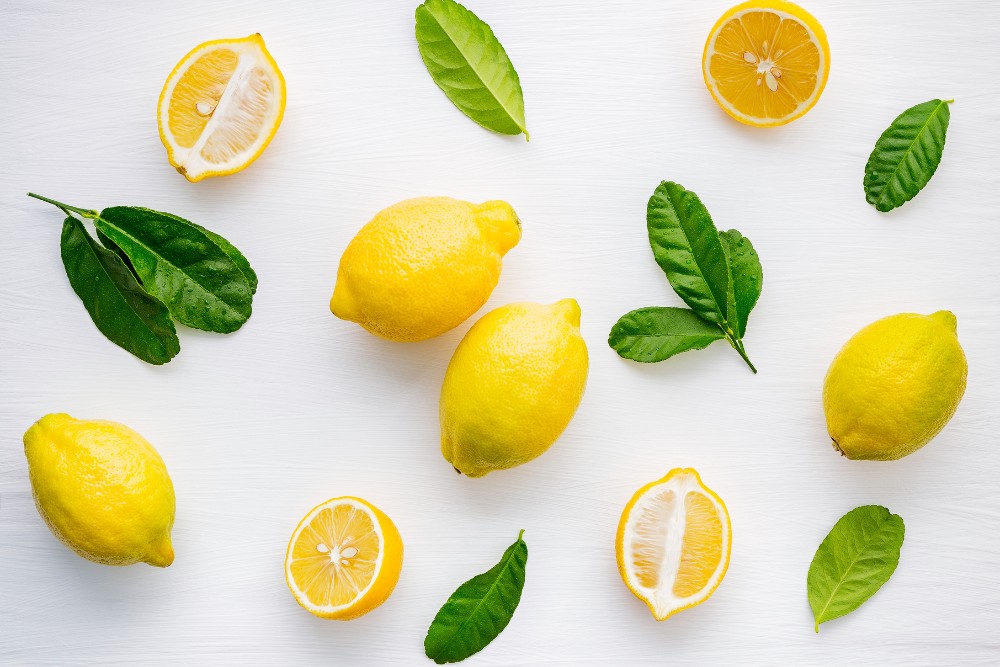
What Makes Vitamin C From Lemon Better Than Supplements?
Lemons contain several vitamins, minerals, and other micronutrients. These interact with Vitamin C, affecting various reactions and boosting its effectiveness. Supplements lack these extras, limiting their advantages.
Experts state that lemons support the skin, digestion, cardiovascular health, and the immune system. Several nutrients, including flavonoids and citric acid, contribute to these effects. However, the Vitamin C in lemons may have the greatest impact.
Key benefits
Vitamin C, or L-ascorbic acid, is a powerful antioxidant that protects your cells from free radicals. It also reconstitutes other antioxidants your body contains, for further damage protection.
Vitamin C is necessary for collagen and neurotransmitter creation and protein metabolism. It’s one of the most beneficial vitamins in existence, preventing or slowing disease development and boosting immune function.
Is 1 lemon a day enough vitamin C?
Daily recommended Vitamin C requirements vary depending on age. Young children need 15-45 mg per day, teens need 65-75 mg daily, while adults require 75-90 mg of ascorbic acid.
Lemons contain approximately 52 mg of Vitamin C for every 100 g of fruit. Of course, lemons range from about 58-84 g, containing 30-48 mg of ascorbic acid in each fruit. These levels sound promising, but they can be deceiving.
Many of these nutrients exist in the discarded parts of the lemon. For instance, the peels contain approximately 58 mg per 100 g of fruit, while the pulp and seeds have 46.9 mg per 100 g. Lemon juice only contains approximately 22 mg of Vitamin C, which is less than half the recommended levels for teens and only a quarter of an adult’s requirements.
Unfortunately, you may not be ingesting enough Vitamin C from lemons and other foods. So, are supplements a healthy alternative? Studies show that synthetic Vitamin C is the same chemically as the ascorbic acid found in foods.
Does hot water destroy vitamin C in lemon?
According to experts, heat damages the vitamin C in lemons. The higher the heat, the more ascorbic acid is lost, so it isn’t always recommended to cook these tangy fruits.
Since vitamin C is also water-soluble, much of the nutrients leak out into the liquid when cooking or soaking these fruits. When the water is discarded, the vitamins go down the drain.
To avoid this loss, it’s best to use lower heat or fast cooking methods to prevent vitamin C loss. Using less liquid or ingesting it as a beverage or tea also ensures you gain the many benefits lemons have to offer.
Resources:
- St. Vincents Medical Center, May 3, 2021, The Underrated Lemon: 5 Ways It’s Good for Your Health
https://stvincents.org/about-us/news-press/news-detail?articleId=32964&publicid=395 - NIH, Vitamin C,
https://ods.od.nih.gov/factsheets/VitaminC-HealthProfessional/ - PMC, Oct. 28, 2013, Synthetic or Food-Derived Vitamin C – Are They Equally Bioavailable
https://pmc.ncbi.nlm.nih.gov/articles/PMC3847730/#:~:text=Synthetic%20and%20food%2Dderived%20vitamin%20C%20is%20chemically%20identical.,the%20bioavailability%20of%20vitamin%20C - NIH, Vitamin C
https://ods.od.nih.gov/factsheets/VitaminC-Consumer/ - Freshfel, Nutritional Fact Sheet: Lemons
https://freshfel.org/wp-content/uploads/2018/02/FruitVeg4You-Fact-Sheet-Lemon.pdf - PMC, May 8, 2018, Content of phenolic compounds and vitamin C and antioxidant activity in wasted parts of Sundanese citrus fruits
https://pmc.ncbi.nlm.nih.gov/articles/PMC6060895/ - University Hospitals, Nutrition Facts
https://www.uhhospitals.org/health-information/health-and-wellness-library/article/nutritionfacts-v1/lemon-juice-raw-1-lemon-yields - The Nutrition Source, Vitamin C
https://nutritionsource.hsph.harvard.edu/vitamin-c/
This content comprises informative and educational resources only and can not be considered as a substitute for professional health or medical guidance. Reliance on any information provided in this article is solely at your own risk. If you have any inquiries or apprehensions about your medical condition or health goals, talk with a licensed physician or healthcare provider.









Leave A Comment