
Reaching adulthood brings freedom and independence – but keeping that independence as we age is not something to take for granted. In fact, without the right habits and activities, it can slip away much faster than expected. Over time, several factors can affect our ability to manage daily life on our own. These often include mobility challenges, reduced cognitive function, financial concerns, or the loss of a support system.
The good news is that independence is not only possible – it’s something you can actively protect and rebuild. Even with certain limitations, small, consistent actions can make a meaningful difference. With the right approach, it’s entirely possible to keep independence through simple, purposeful activities.
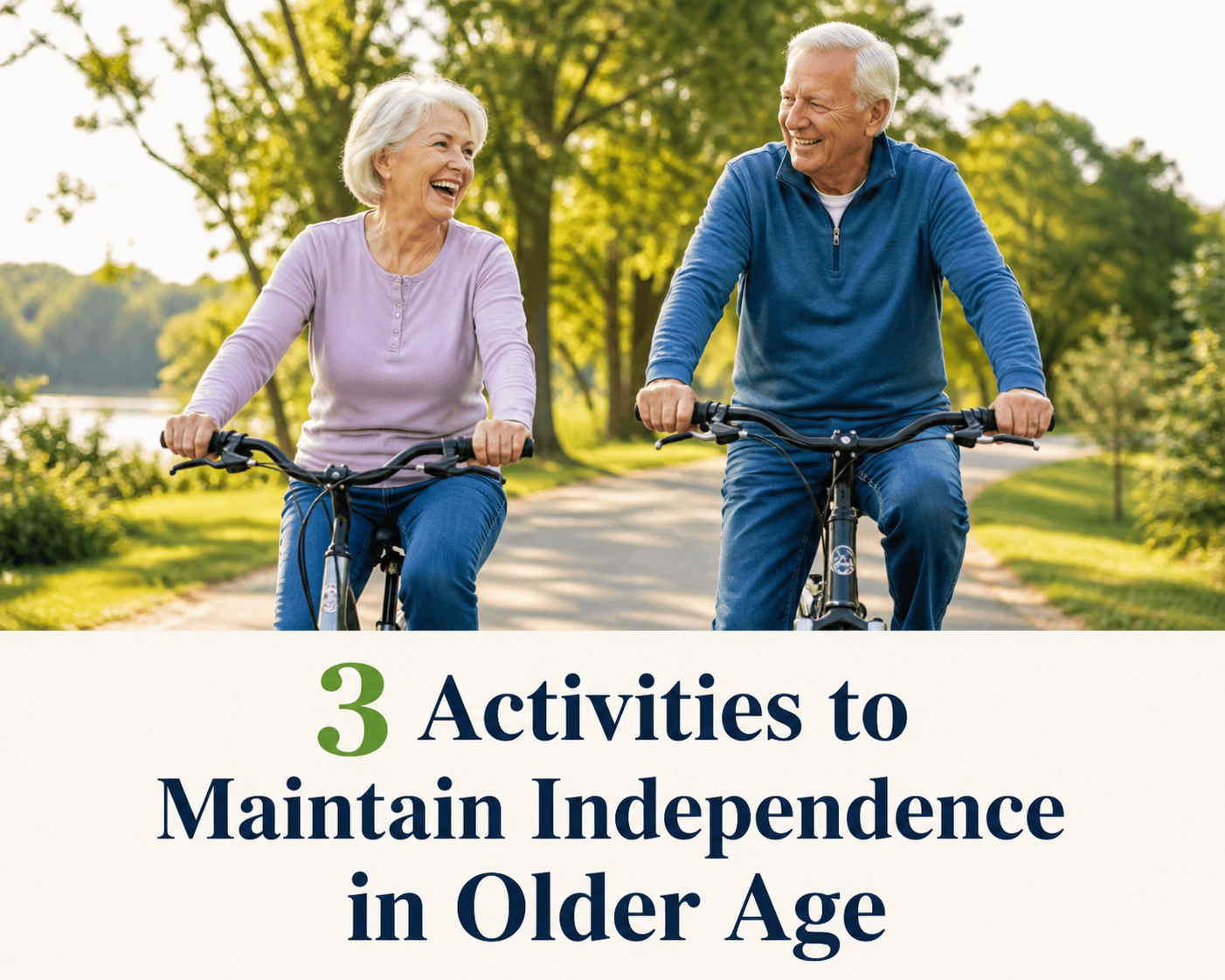
While medical conditions may require treatment, adjusting your daily routine can help overcome many other barriers. Recreational activities, for example, improve physical strength and often provide valuable social interaction. Others, such as creative or learning-based activities, support brain health by enhancing memory and cognitive function. Together, these habits and activities create a stronger, more capable, and more independent and self-reliant you.
Maintain Independence with These 3 Activities
According to recent studies, independence is a vital factor for determining an older person’s quality of life 1. Evidence also linked loss of independence to depression, anxiety, social isolation, and other chronic conditions. However, it’s possible to reclaim your self-sufficiency with the rewarding activities covered in the following sections.
1. Constantly learn something new
Retirement age is usually around 65, but it’s common for people to live another 20 years or more. However, experts state that a third of seniors aren’t financially prepared for this transition 2. Early adulthood is the best time to learn money management, but it’s never too late. Financial experts can teach you the skills and activities required to stay independent.
Experts also recommend creating backup plans for unexpected health or housing issues, especially for those living alone 3. Researching strategies and resources, and ensuring you have the support needed, ensures you’re always prepared for the unexpected.
Of course, don’t focus solely on the serious aspects of aging. You can learn a new language, a musical instrument, painting, photography, or how to use social media to boost brain health, confidence, joy, and independence 4.
2. Physical activity
Physical activity is recommended for people of all ages. However, it’s a necessity for seniors due to the age-related muscle loss called sarcopenia. According to experts, muscle mass decreases by 3-8% after 30 years, with a faster rate of decline after 60 5.
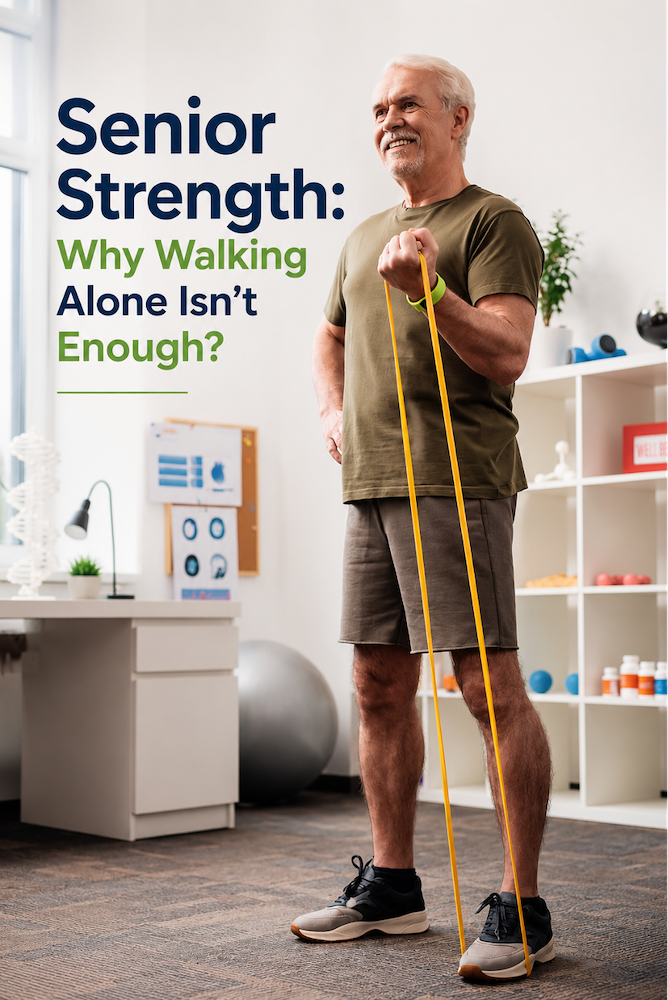
Although you can’t halt the aging process, it’s possible to slow muscle loss with strength training. Free weights, weight machines, or resistance bands slowly rebuild lost muscle 6. A strong body helps you lift large items, do your own shopping, and stay independent.
Yoga is also recommended for seniors to improve flexibility, tone their bodies, and calm their minds 7. Standing, sitting, lying down, and chair poses improve joint function, posture, and range of motion, while reducing pain.
3. Social connections
Social isolation occurs when you have no close relationships. Loneliness results from relationships that lack meaning or substance. Despite the differences in meanings, such social disconnection often has similar impacts. Lacking a support system increases the risk of heart disease, depression, self-harm, dementia, and other serious concerns 8.
Improving social connections reduces these risks. And as odd as it sounds, having a support system also helps you stay independent. Social interaction activities improve physical and mental health, create a sense of purpose, and boost self-esteem.
You can join book clubs, trivia nights, gardening groups, board games, film nights, dancing, and singing 9. The right activity gives you something fun to do and introduces you to others who share your interests.
Resources:
- PMC, March 14, 2024, Psychosocial determinants of functional independence among older adults: A systematic review and meta-analysis
https://pmc.ncbi.nlm.nih.gov/articles/PMC11016145/ - SRDC, The Role of Financial Literacy in Financial Decisions and Retirement Preparedness among Seniors and Near-Seniors
https://www.srdc.org/project/the-role-of-financial-literacy-in-financial-decisions-and-retirement-preparedness-among-seniors-and-near-seniors/ - LCC, June 21, 2023, The Backup Plan – A New Planning Model that Keeps Solo Agers in Mind
https://www.lcc.mn.gov/aging/03082024/Generations%20-%20Backup%20Plan%20Final.pdf - Senior Citizens Inc., Learning Something Different After 65
https://seniorcitizensinc.org/learning-something-new - PMC, Jan. 12, 2010, Muscle tissue changes with aging
https://pmc.ncbi.nlm.nih.gov/articles/PMC2804956/ - BHF, Strength exercises you can do at home in 10 minutes
https://www.bhf.org.uk/informationsupport/heart-matters-magazine/activity/strength-exercises - The Art of Living, Yoga for Seniors
https://www.artofliving.org/in-en/yoga/yoga-sequences-for/yoga-for-senior-citizen - CDC, May 15, 2024, Health Effects of Social Isolation and Loneliness
https://www.cdc.gov/social-connectedness/risk-factors/index.html - CWC, 23 Activities for the Elderly
https://www.thecareworkerscharity.org.uk/blog/activities-for-the-elderly/
This content comprises informative and educational resources only and can not be considered as a substitute for professional health or medical guidance. Reliance on any information provided in this article is solely at your own risk. If you have any inquiries or apprehensions about your medical condition or health goals, talk with a licensed physician or healthcare provider.


Leave A Comment