
The human hand contains 19 joints in the fingers and palm, all of which are at risk of arthritis. Several types can affect these areas, including rheumatoid arthritis and osteoarthritis. Pain is the most common symptom of hand arthritis, often altering function during use. You may also experience swelling, stiffness, tenderness, weakness, limited movement, and even deformity.
Though arthritis can’t be prevented, managing the symptoms isn’t always impossible. Regular exercise strengthens the hand and wrist muscles, increasing support around the affected joints. Occupational therapy also teaches individuals with arthritis how to manage their condition, including learning new methods for performing daily tasks.
In addition, the daily habits outlined below may also reduce pain and slow the progression of your condition.
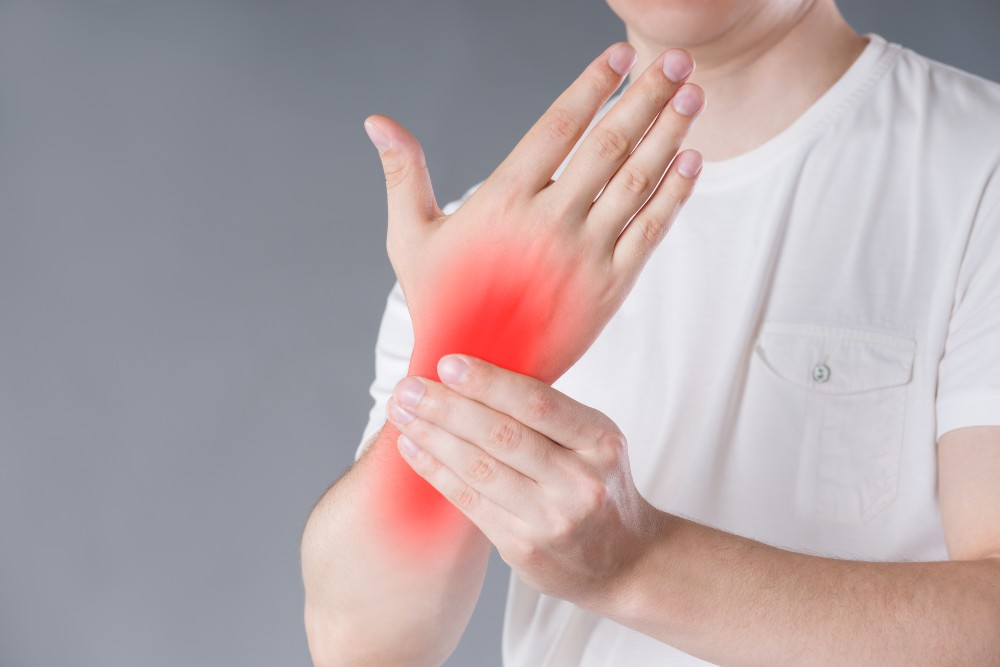
Hand Arthritis: What Can Help with Pain
Medical professionals offer several treatment options for those with hand arthritis. Splints and braces protect the joints, while compression gloves, hot/cold packs, and medication reduce pain, swelling, and other symptoms.
Surgery is also an option when the condition has progressed too far to find relief from other treatments. However, if you want to avoid such drastic measures, the following regular habits may reduce pain and other uncomfortable symptoms.
Regular hand exercise
According to medical professionals, exercise is an essential tool for managing pain and other hand arthritis issues, especially when you do them regularly! They state that physical activity strengthens the muscles, slows bone loss, and reduces inflammation. Such movements also lubricate the cartilage between the joints, easing stiffness and discomfort.
In addition to physical benefits, regular exercise may also reduce psychological side effects such as anxiety and depression, helping individuals focus less on their symptoms.
The hand exercises recommended by physical therapists are simple enough to form a daily habit. Movements often include stretching the fingers or bending them into half or full fists. Thumb and wrist exercises also improve strength, range of motion, and other concerns.
Anti-inflammatory diet
What you eat may contribute to joint swelling and worsen hand arthritis pain. The worst offenders contain sugar or saturated fats, but red meat, pasta, and bread are also on the list.
According to experts, an anti-inflammatory diet should include fatty fish, fruits, vegetables, and whole grains. Yogurt and cottage cheese improve gut health and should be included in your daily dietary habits.
Studies show that overeating causes the body to store excess calories, increasing inflammation. Even excess amounts of healthy options trigger this reaction, requiring moderation. Reducing your food intake also lowers the risk of obesity and the painful pressure excess weight puts on the joints.
Body exercises for good circulation
Circulation issues are common with hand arthritis, causing swelling and pain. For instance, rheumatoid arthritis triggers the release of inflammatory proteins called cytokines, inducing plaque buildup in the arteries. The vessels also lose their elasticity, further reducing blood flow.
Though hand exercises maintain the affected area, working the body improves overall circulation. According to experts, physical activity releases nitric oxide, which relaxes the vessels. The combination of a higher heart rate and stronger muscles maintains smooth blood flow throughout the body.
Aerobic activities offer the best results, though you’ll achieve similar benefits from any exercise. For instance, walking, jogging, cycling, and swimming all improve your heart rate and blood flow.
Resources:
- Cleveland Clinic, Arthritis of the Hand
https://my.clevelandclinic.org/health/diseases/7082-arthritis-of-the-wrist-and-hand - Johns Hopkins Arthritis Center, Role of Exercise in Arthritis Management
https://www.hopkinsarthritis.org/patient-corner/disease-management/role-of-exercise-in-arthritis-management/ - Arthritis NSW, Hand Exercises
https://www.arthritis.org.au/wp-content/uploads/2019/02/Exercise-Sheets-Hands.pdf - John Hopkins Medicine, Anti-Inflammatory Diet
https://www.hopkinsmedicine.org/health/wellness-and-prevention/anti-inflammatory-diet - PNAS, June 29, 2020, OGT suppresses S6K1-mediated macrophage inflammation and metabolic disturbance
https://www.pnas.org/doi/10.1073/pnas.1916121117 - Arthritis Foundation, How at Affects Osteoarthritis
https://www.arthritis.org/health-wellness/about-arthritis/related-conditions/other-diseases/how-fat-affects-osteoarthritis - Arthritis Foundation, Rheumatoid Arthritis and Heart Disease
https://www.arthritis.org/health-wellness/about-arthritis/related-conditions/other-diseases/rheumatoid-arthritis-heart-disease - Cleveland Clinic, April 27, 2023, How to Improve Blood Circulation
https://health.clevelandclinic.org/how-to-improve-blood-circulation-naturally - The Well, Boost Your Circulation Through Exercise
https://thewell.northwell.edu/healthy-living-fitness/blood-circulation-exercise
This content comprises informative and educational resources only and can not be considered as a substitute for professional health or medical guidance. Reliance on any information provided in this article is solely at your own risk. If you have any inquiries or apprehensions about your medical condition or health goals, talk with a licensed physician or healthcare provider.









Leave A Comment