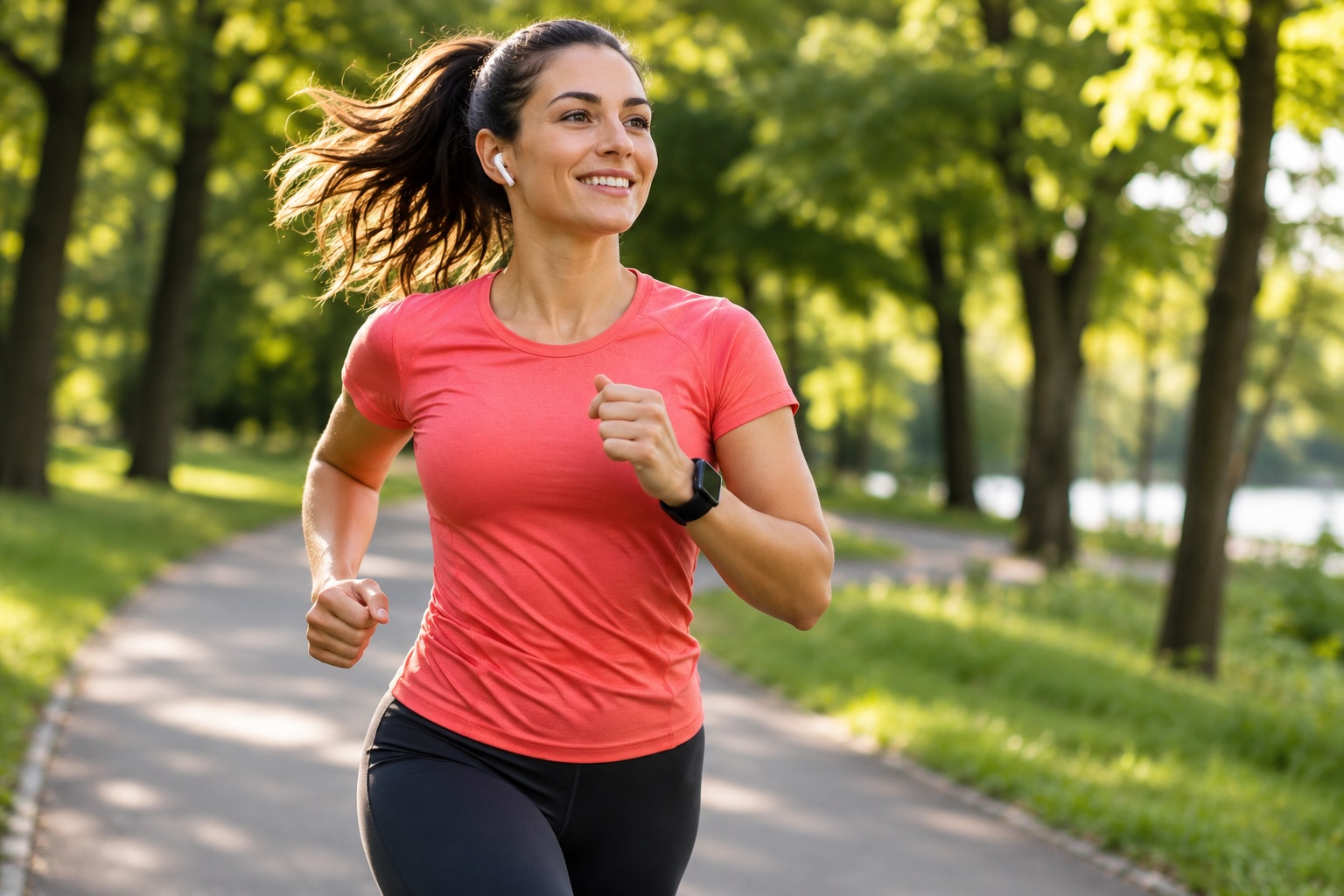
Stroke recovery can be a long and challenging process. Depending on the severity of the stroke and the areas of the brain affected, patients may experience difficulties with mobility, balance, speech, memory, and everyday activities.
While initial medical treatment is essential after a stroke, stroke rehabilitation plays a crucial role in restoring lost abilities, improving physical and cognitive function, and helping patients regain as much independence as possible.
Every stroke survivor’s recovery may be very different. Some regain most of their previous abilities, while others may require ongoing assistance. The extent of recovery depends on several factors, including stroke severity, overall health, and access to appropriate rehabilitation.

Physical Therapy for Stroke Recovery
A stroke often causes muscle weakness, paralysis, poor coordination, and difficulty walking. Some patients lose strength or mobility on one side of their body, making even simple daily activities challenging.
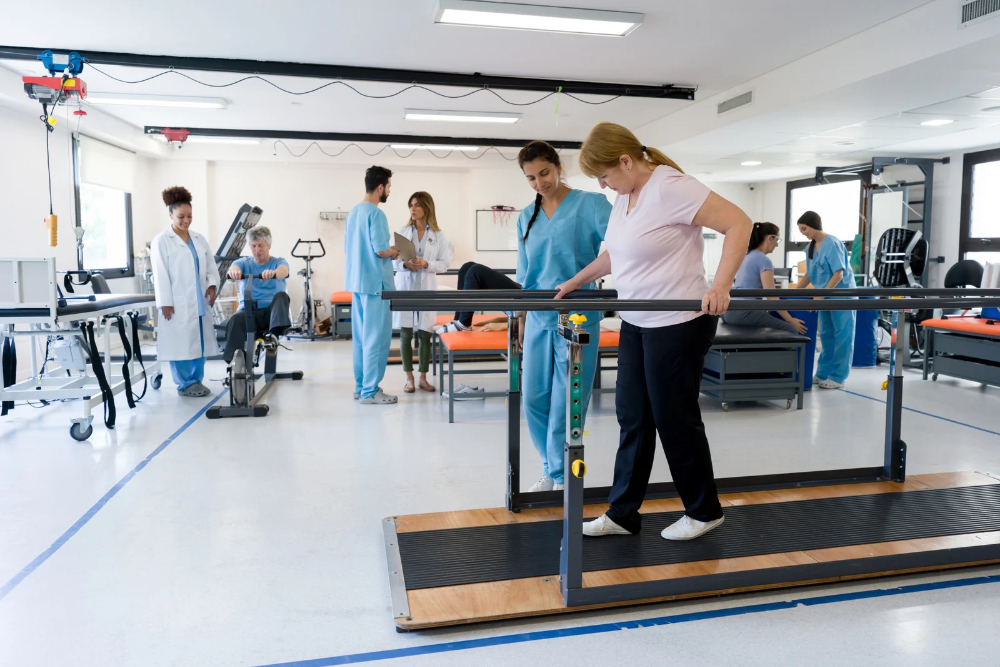
Physical therapy is one of the most important components of stroke rehabilitation. Through individualized exercises and therapeutic techniques, physical therapists help patients:
- Regain muscle strength and improve mobility.
- Restore balance and coordination.
- Improve walking ability and reduce the risk of falls.
- Increase endurance and physical independence.
Starting physical therapy as soon as medically appropriate can improve recovery outcomes and help prevent complications associated with prolonged immobility.
Other rehabilitation therapies
Although physical therapy focuses primarily on movement and physical function, recovering from a stroke may also require a broader rehabilitation approach.
Occupational therapy helps patients relearn essential daily activities, including dressing, bathing, eating, and other tasks needed for independent living.
Speech and language therapy addresses communication difficulties, speech problems, and swallowing disorders that may develop after a stroke.
Cognitive rehabilitation helps patients improve memory, attention, problem-solving skills, and other cognitive functions affected by the stroke.
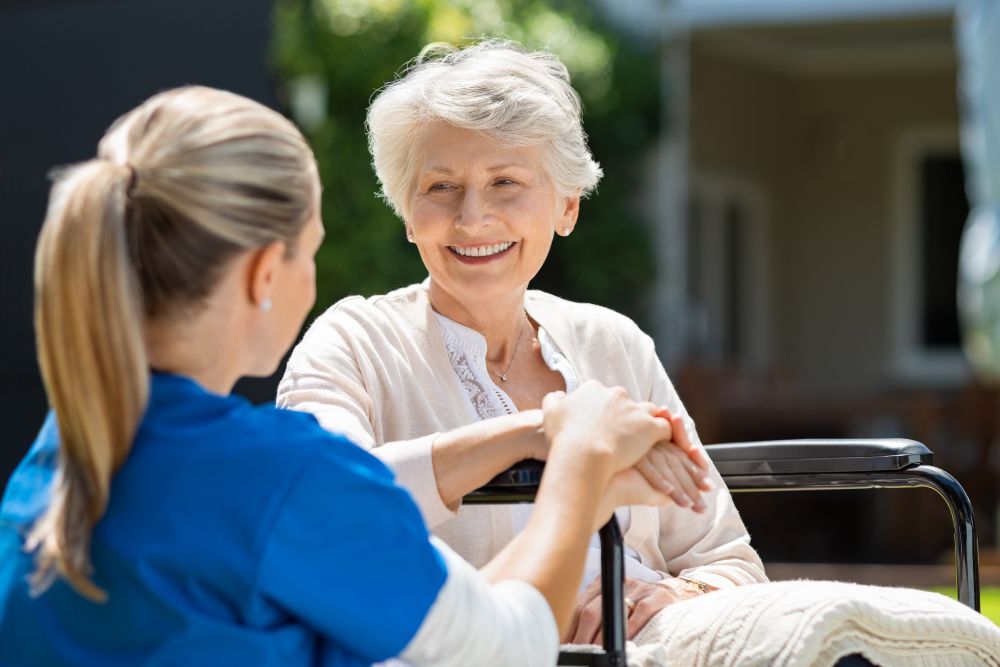
Emotional and psychological support is equally important. Depression, anxiety, and frustration are common during stroke recovery and may interfere with rehabilitation progress.
At Haym Salomon Home for Nursing and Rehabilitation in Brooklyn, NY, our multidisciplinary team provides coordinated medical care, skilled nursing, and rehabilitation and restorative services tailored to each patient’s needs. The goal is not simply to recover from a stroke, but to regain as much independence, confidence, and quality of life as possible.
To learn more about our stroke rehabilitation programs, contact us.
This content comprises informative and educational resources only and can not be considered as a substitute for professional health or medical guidance. Reliance on any information provided in this article is solely at your own risk. If you have any inquiries or apprehensions about your medical condition or health goals, talk with a licensed physician or healthcare provider.


Leave A Comment