
Although talking about the importance of physical exercise in treating the brain may sound irrelevant, it is actually relevant, as exercise helps improve brain health after traumatic injuries. The symptoms vary and may affect you mentally, emotionally, or physically. Though the treatment depends on the injury sustained, exercise is often recommended for TBI recovery as it helps it multiple ways and not just physically.
Brain injuries occur unexpectedly and are mostly mild—approximately 75% of TBIs—but can sometimes cause severe damage 1. Due to the complicated symptoms of even mild TBI, several restorative therapy options may be required. The sooner the therapy starts, the better. Exercise and physical therapy improve mobility and balance, occupational therapy helps restore day-to-day abilities, and speech therapy improves communication and eating difficulties.
Here’s how exercise can support recovery after a TBI:
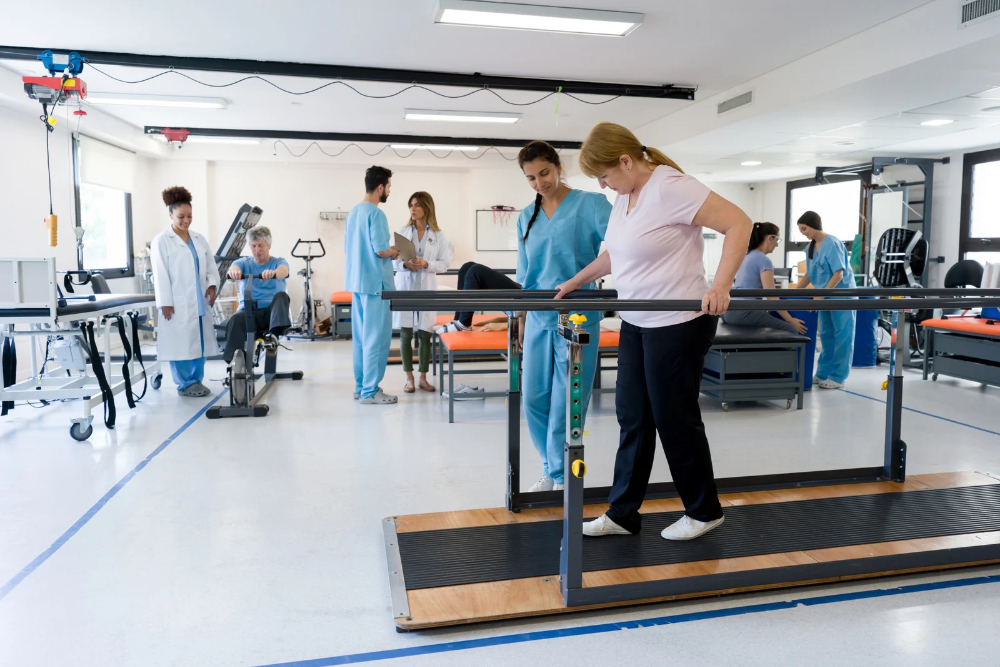
3 Ways Exercise Boosts TBI Recovery
Physical activity can help numerous symptoms at once and may speed up healing. You may think it’s not physical but mental activities that you need more. The symptoms include balance problems, blurred vision, fatigue, confusion, trouble concentrating, memory problems, irritability, sleep changes, or weakness. Since these are interrelated, regular exercise may improve several of them. Let’s see how exercise helps.
1. It improves cognitive skills
Studies show that exercise improves cognitive deficits and recovery after TBI by increasing cell signaling and synaptic plasticity 2. These factors let cells grow, change, and adapt to new information. This increases the brain’s ability to learn while reducing harmful deterioration after your injury.
The autonomic nervous system may malfunction after a brain injury, resulting in fatigue, light-headedness, headaches, and other symptoms. However, experts say exercise reduce these symptoms for a faster recovery and improves the function of ANS, the autonomic nervous system3.
Blood circulation may also be disrupted after a TBI, which alters cognitive function. But exercise increases circulation, supplying the brain with the oxygen and glucose it needs to heal. Confusion, dizziness, and memory issues decrease as cognition improves.
2. It helps restore balance
Recent studies show that TBI often affects balance and postural control, which reduce functional independence and quality of life 4. These issues may result from lesions that affect motor control or brain structure changes.
However, regardless of the cause, exercise may improve TBI recovery by reducing balance issues. Experts say that exercise increases strength, especially in the core, which is vital for balance 5. Strength training builds muscle while stretching improves flexibility.
The vestibular organs in the inner ear are often disrupted after a TBI. This causes dizziness and balance issues. Exercise counters these symptoms by creating new pathways and alternate signals to promote balance as your body heals.
3. It promotes mood and boosts optimism
Emotional health often suffers after a TBI, causing anxiety, stress, irritability, and other dangerous issues. However, studies show that exercise positively influences mood after a TBI and improves your recovery 6. Tension, anger, fatigue, depression, and other emotional issues decrease with physical activity.
According to experts, exercise alters the hormone levels in the brain 7. Feel-good hormones, such as serotonin, are released during activity. Stress hormones like cortisol drop at the same time, improving your mood and boosting positivity.
Exercise also increases self-esteem, coping skills, and energy levels while giving you an outlet for tension and frustration. You’ll also sleep better at night, so you’ll wake up refreshed and ready for the day.
Resources:
- Cleveland Clinic, Dec. 17, 2025, Traumatic Brain Injury
https://my.clevelandclinic.org/health/diseases/8874-traumatic-brain-injury - PMC, June 15, 2022, How to boost the effects of exercise to favor traumatic brain injury outcome
https://pmc.ncbi.nlm.nih.gov/articles/PMC9453688/ - HPRC, 3 Ways Exercise Can Help You Recover From a Concussion
https://www.hprc-online.org/physical-fitness/injury-prevention/3-ways-exercise-can-help-you-recover-concussion - PMC, July 27, 2026, Balance Rehabilitation in Patients with Traumatic Brain Injury: A Scoping Review
https://pmc.ncbi.nlm.nih.gov/articles/PMC13514990/ - Headway, Nov. 23, 2016, Struggling with balance problems after brain injury? Try these 12 exercises to help
https://www.headway.org.uk/news-and-campaigns/news/struggling-with-balance-problems-after-brain-injury-try-these-12-exercises-to-help/ - PubMed, Mar. 2009, Impact of physical activity on mood after TBI
https://pubmed.ncbi.nlm.nih.gov/19205956/ - Better Health, Exercise and mental health
https://pubmed.ncbi.nlm.nih.gov/19205956/
This content comprises informative and educational resources only and can not be considered as a substitute for professional health or medical guidance. Reliance on any information provided in this article is solely at your own risk. If you have any inquiries or apprehensions about your medical condition or health goals, talk with a licensed physician or healthcare provider.






Leave A Comment