
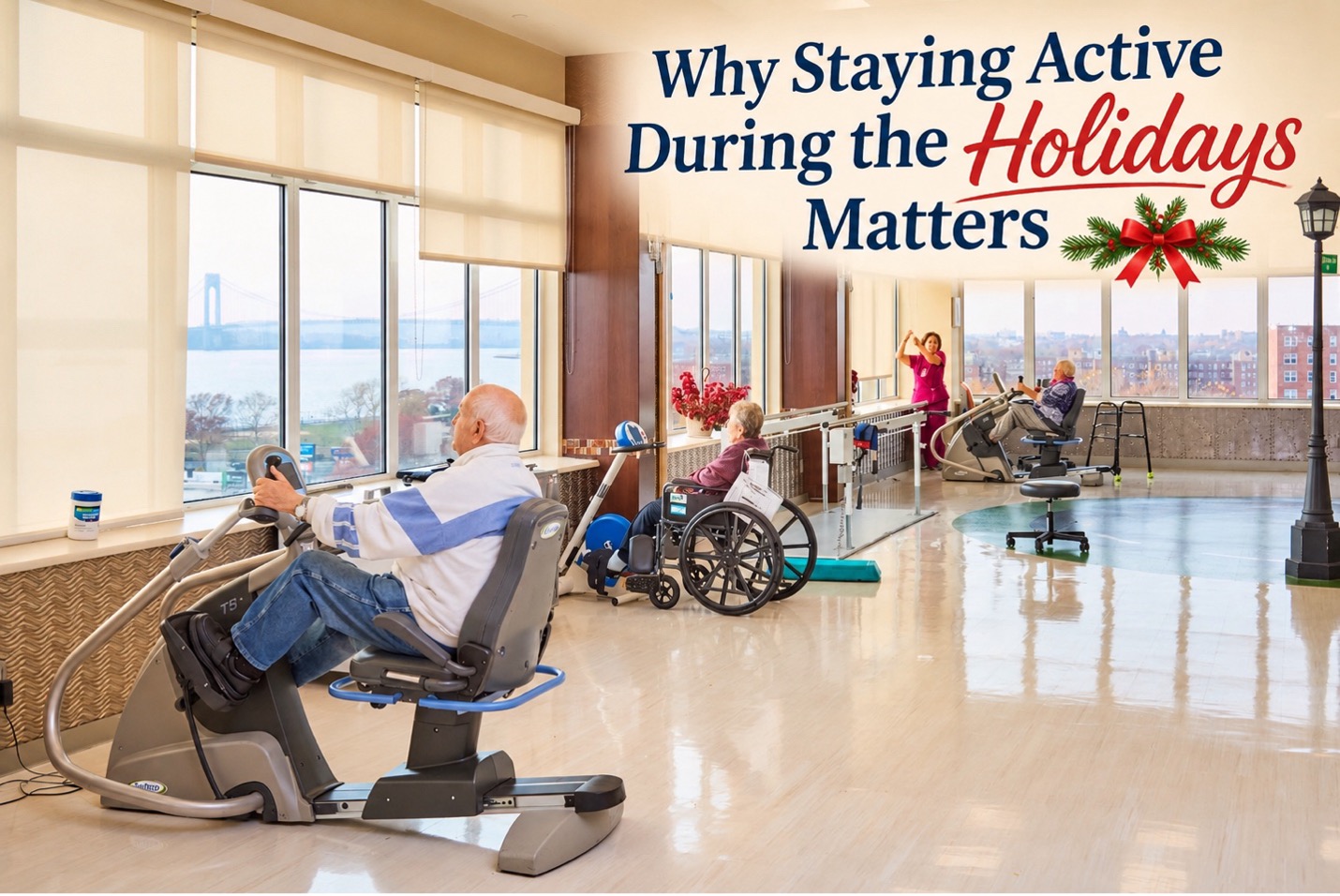
The holiday season often brings changes to daily routines, with more time spent relaxing, enjoying festive meals, and socializing. However, it’s especially important to stay active during the holidays, particularly for older adults and younger people managing health conditions. Even a temporary reduction in physical activity can affect muscle strength, mobility, energy levels, and overall well-being.
Keeping being active doesn’t necessarily mean following a demanding exercise routine. Walking, gentle stretching, chair exercises, and light strength training can help maintain flexibility, balance, and muscle strength. For those recovering from illness, injury, or surgery, exercises recommended by a physical therapist can support rehabilitation while allowing them to enjoy the holiday season safely.
3 Reasons Staying Active During Holidays is Necessary
It is well known that many people gain weight or feel down, sluggish, and exhausted as a result of excessive drinking or overeating during the holidays. In fact, overeating combined with prolonged sitting can cause temporary health issues, but if you already have health conditions, these habits may worsen them. Therefore, choosing to stay active during the holidays can help reduce the risk of health complications, especially for those with existing conditions. Let’s look at three reasons why staying active during holidays can help.
1. Prevents the holiday energy slump
The holiday season often means more sitting, heavier meals, and changes in sleeping patterns, all of which can leave people feeling tired and sluggish. For older adults and those with chronic health conditions, reduced physical activity may make fatigue even more noticeable.
Regular movement improves blood circulation, supports oxygen delivery to muscles, and helps maintain energy levels. Even short walks or gentle exercises throughout the day can help people feel more energetic and enjoy holiday activities.
2. Prevents loss of strength
Taking a break from regular physical activity can lead to muscle weakness and reduced mobility, especially among older adults and those recovering from illness or surgery. Prolonged inactivity may also affect balance, making everyday activities more challenging and increasing the risk of falls.
Staying active during the holidays helps preserve muscle strength, flexibility, and independence. Simple strengthening exercises, walking, and physical therapy sessions can help prevent setbacks and maintain progress made during rehabilitation.
3. Helps beat holiday loneliness
Although the holidays are associated with happiness and togetherness, they can be emotionally challenging for people who are away from their families or dealing with health problems. Loneliness, stress, and feelings of isolation may become more noticeable during this time.
Physical activity offers benefits beyond physical health. Exercise can improve mood, reduce stress, and provide a sense of accomplishment. Group exercise classes and recreational activities at rehabilitation facilities also encourage social interaction, helping residents feel more connected and involved in the holiday celebrations.
Choosing to stay active during the holidays can help you maintain your strength, boost your energy, and enjoy the festive season feeling healthier, happier, and more independent.
References:
- Harvard Health Publishing: Does exercise really boost energy levels? July 1, 2021. By Toni Golen, MD, and Hope Ricciotti, MD.
https://www.health.harvard.edu/exercise-and-fitness/does-exercise-really-boost-energy-levels - National Institute on Aging (NIH): Exercise and Physical Activity. January 14, 2025.
https://www.nia.nih.gov/health/exercise-and-physical-activity - National Institute on Aging (NIH): Loneliness and Social Isolation — Tips for Staying Connected. July 11, 2024.
https://www.nia.nih.gov/health/loneliness-and-social-isolation/loneliness-and-social-isolation-tips-staying-connected
This content comprises informative and educational resources only and can not be considered as a substitute for professional health or medical guidance. Reliance on any information provided in this article is solely at your own risk. If you have any inquiries or apprehensions about your medical condition or health goals, talk with a licensed physician or healthcare provider.



Leave A Comment